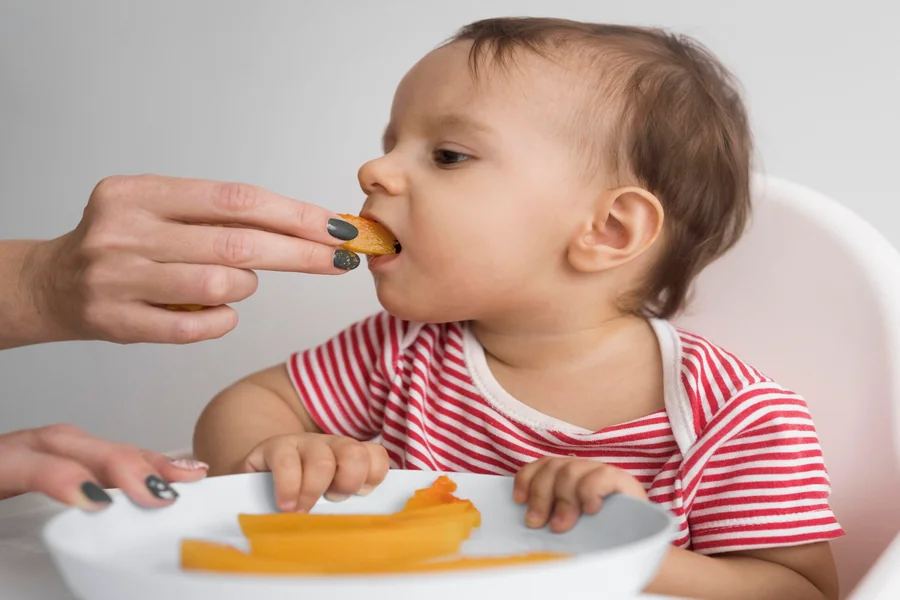
Toddlers are naturally curious about the world, including the foods they eat. Offering a variety of food options during these early years supports growth, supplies the nutrients needed for development, and encourages children to explore new tastes and textures. For parents, mealtime can be a source of both joy and stress, particularly when children show strong preferences or reject certain foods. Fussy eating is a common challenge, but with the right strategies and appealing food options, toddlers can be guided toward more balanced, enjoyable eating habits.
This guide focuses on toddler finger food, a versatile approach that allows toddlers to engage with food independently while receiving the nutrition their growing bodies need. By presenting food in fun, manageable forms, parents can turn challenging mealtimes into opportunities for learning and positive reinforcement.
Understanding Fussy Eating in Toddlers
Recognising Fussy Eaters
Toddlers who are selective about what they eat often display consistent patterns of avoidance or preference. They may reject certain textures, colours, or food groups and show strong reactions during mealtimes. Observing these behaviours helps caregivers understand a child’s likes, dislikes, and potential triggers, which can guide the selection of foods most likely to be accepted.
Common Reasons for Selective Eating
Several factors influence toddlers’ eating habits. Developmental changes may alter taste preferences or increase sensitivity to textures. At the same time, a desire for independence can lead children to assert control by choosing what they will or will not eat. Fear of unfamiliar foods, brief fluctuations in appetite, or irregular mealtime routines can also contribute to selective eating patterns.
Effects on Growth and Development
When children consistently avoid certain foods, it may reduce their intake of nutrients required for growth, energy, and overall health. Offering diverse foods that appeal to a child’s preferences helps maintain nutritional balance while gradually expanding their palate.
Making Mealtimes Engaging
Creativity and Presentation
Toddlers are often attracted to bright colours and playful arrangements. Serving fruits, vegetables, and grains in visually appealing ways increases interest and encourages experimentation. Foods cut into small shapes, presented on mini skewers, or arranged in a colourful platter, can motivate children to try new flavours without pressure.
Interaction and Independence
Finger foods allow children to feed themselves, improving hand-eye coordination and fine motor skills. The ability to explore foods independently can make eating more enjoyable and encourage curiosity about tastes and textures.
Key Nutrients for Growing Toddlers
Toddlers need a balanced intake of proteins, healthy fats, vitamins, and minerals. Proteins support muscle growth and immune function, while calcium and vitamin D strengthen bones and teeth. Iron and zinc contribute to energy levels and cognitive development, and a variety of vitamins from fruits and vegetables support overall well-being.
A well-rounded selection of finger foods can incorporate these nutrients naturally. Thoughtful combinations of fruits, vegetables, dairy, whole grains, and proteins help ensure children receive the necessary nutrients to meet developmental demands.
The Concept of Finger Foods
Finger foods are small, bite-sized items that can be held and eaten easily without utensils. They simplify mealtime for toddlers and encourage self-sufficiency while providing opportunities to try different textures and flavours in a safe, manageable form. Beyond convenience, these foods help children develop practical skills, including coordination and portion awareness, while making mealtime less stressful for caregivers.
Healthy Finger Food Options
Fruits and Vegetables
Fresh, soft fruits such as banana slices, blueberries, or small wedges of pear or apple are excellent for toddlers. Steamed vegetables like carrots, broccoli florets, or zucchini sticks can be prepared to a tender texture that is easy for small hands to grasp. Introducing a wide range of colours and textures encourages toddlers to experiment and gradually accept more varieties.
Protein and Dairy Choices
Yoghurt cubes, cheese slices, boiled egg pieces, and small portions of cooked chicken, fish, or tofu provide essential proteins and other nutrients. These foods are versatile and can be incorporated into fun presentations, such as mini sandwiches or bite-sized skewers.
Whole Grains and Complex Carbohydrates
Whole grain options supply energy and dietary fibre. Simple items like whole grain crackers, brown rice balls, or mini wraps with nutritious fillings offer both sustenance and the opportunity to explore new tastes and textures.
Practical Finger Food Ideas
Fruit-based snacks can include small pieces of melon, kiwi, or grapes (cut to prevent choking), arranged in colourful patterns or served in mini cups. Vegetable-based foods might involve roasted bell peppers, small sweet potato cubes, or tiny zucchini fritters. Protein-rich snacks such as hummus with cucumber sticks, mini cheese sandwiches, or soft-boiled egg pieces provide both nutrition and variety. Grain-based options could include oatmeal bites, mini whole wheat pancakes, or quinoa patties shaped for easy handling.
Preparing and Serving Finger Foods
Preparation should focus on safety, flavour, and appeal. Cutting food into small, manageable pieces reduces the risk of choking and makes handling easier for toddlers. Softening harder vegetables through steaming or baking helps maintain texture while keeping foods palatable. Presentation can be enhanced with simple plating techniques, such as arranging items by colour or creating small, themed portions. These approaches make mealtime more engaging and encourage children to explore different foods confidently.
Encouraging New Food Experiences
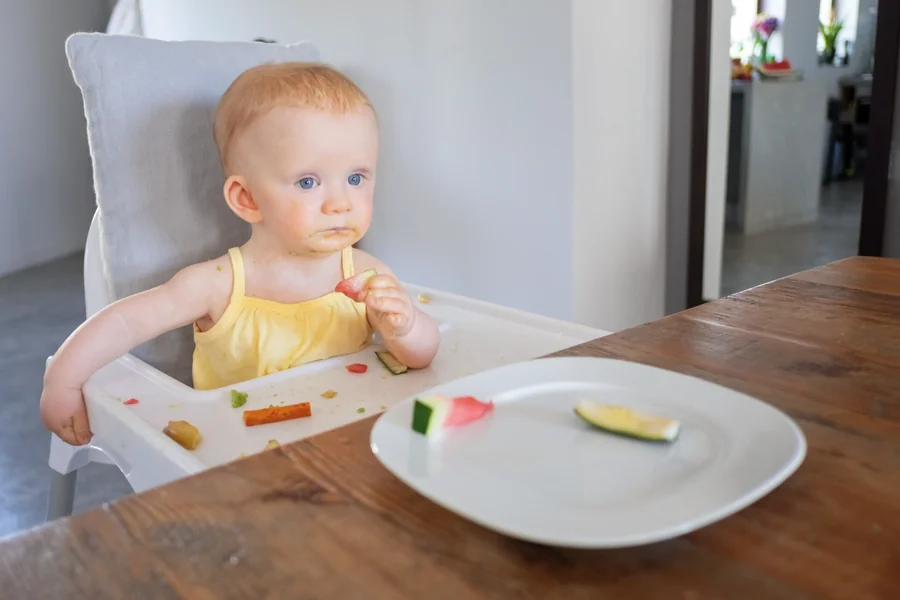
Introducing new foods gradually allows toddlers to become familiar with flavours and textures without feeling overwhelmed. Pairing unfamiliar foods with favourites increases acceptance. Positive reinforcement, such as verbal encouragement or gentle praise, can motivate children to try new items while creating a calm and enjoyable eating environment. Adults who model healthy eating by sharing a variety of foods can subtly inspire toddlers to mirror those habits.
Conclusion
Providing toddlers with finger foods that are both nourishing and enjoyable supports healthy growth, development, and independence. By offering diverse options across fruits, vegetables, proteins, and grains, caregivers can guide children toward broader food acceptance and improved nutritional intake. Focusing on visual appeal, manageable portions, and gradual introduction of new items encourages curiosity and willingness to try unfamiliar foods. Thoughtful planning of finger food options transforms mealtime from a source of stress into an opportunity for toddlers to learn, explore, and develop lifelong healthy eating habits.