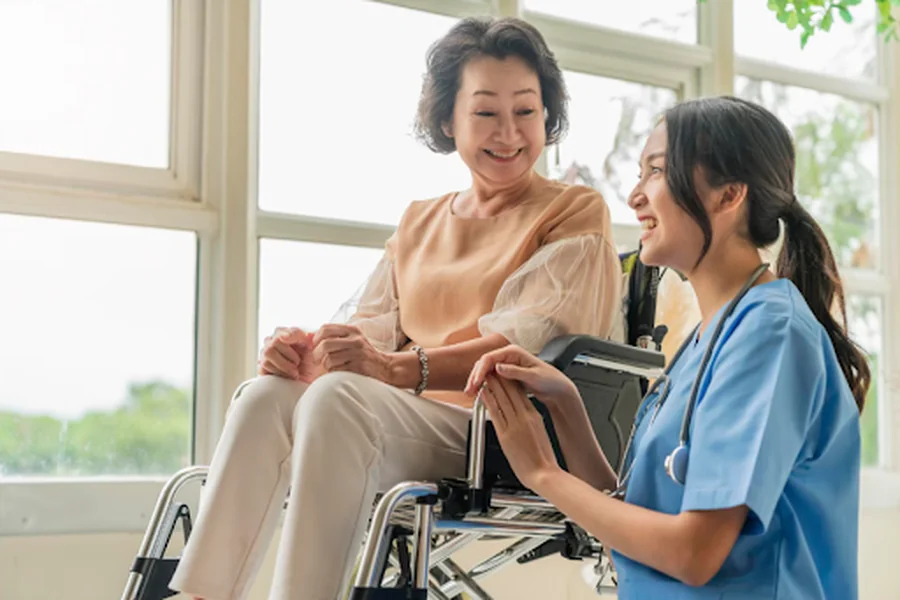
Caring for a loved one, whether due to ageing, illness, or disability, can be rewarding yet overwhelming. Many families in Singapore find themselves navigating complex medical, emotional, and logistical challenges while trying to provide the best possible care. This is where caregiver support services play a vital role, offering guidance, resources, and practical assistance to lighten the load and ensure the well-being of both caregivers and recipients.
Understanding the Role of a Caregiver
A caregiver assists with daily activities such as personal hygiene, medication management, meal preparation, and mobility support. Beyond physical care, caregivers often offer emotional support and companionship, helping loved ones maintain a sense of dignity and independence.
In Singapore, caregiving responsibilities are often shared within the family. However, balancing work, family life, and caregiving duties can be stressful. Without adequate support, caregivers are at risk of burnout, emotional fatigue, and health issues.
Types of Caregiver Support Available
Caregiver support in Singapore comes in several forms. Home-based services provide trained personnel to assist with daily tasks, offering temporary relief for family members. Community centres and voluntary welfare organisations (VWOs) run programmes that include day-care services, social activities, and counselling for both caregivers and recipients.
Support groups are another valuable resource. These groups allow caregivers to share experiences, exchange practical advice, and access emotional support from others facing similar challenges. Online platforms and helplines also provide guidance and resources, helping families navigate healthcare systems and financial assistance schemes.
Government Assistance for Caregivers
The Singaporean government recognises the importance of supporting caregivers and has introduced several initiatives. Schemes such as the Home Caregiving Grant, Foreign Domestic Worker Levy Concession, and subsidies for home-based care services help ease financial burdens.
Training programmes, such as the Family Caregiver Training Programme, equip caregivers with practical skills in patient handling, first aid, and chronic disease management. These programmes also offer knowledge about legal rights, workplace support, and stress management techniques.
Emotional and Psychological Support
Caring for someone full-time can take an emotional toll. Anxiety, stress, and feelings of isolation are common among caregivers. Accessing counselling services or participating in peer support groups can help caregivers maintain mental health and resilience.
Many organisations in Singapore offer structured counselling sessions specifically for caregivers. These services provide coping strategies, conflict resolution skills, and guidance on balancing caregiving responsibilities with personal life.
Respite Care and Temporary Relief
Respite care is an essential component of caregiver support. It provides temporary relief, allowing caregivers to rest, attend to personal matters, or manage emergencies. Respite care can be arranged at home, in community centres, or at residential facilities, depending on the recipient’s needs.
Regular respite breaks help prevent burnout and ensure that caregivers can continue providing high-quality care without compromising their own well-being.
Technology and Innovative Support Solutions
Digital solutions are increasingly used to support caregivers in Singapore. Mobile apps can help track medication schedules, monitor health metrics, and communicate with healthcare professionals. Teleconsultations and virtual check-ins reduce the need for constant physical presence, making caregiving more manageable.
Wearable devices and smart home technologies also play a role in ensuring safety. Alerts for falls, movement tracking, and automated reminders for daily routines allow caregivers to monitor loved ones more effectively and intervene promptly when needed.

Choosing the Right Support Services
Selecting appropriate caregiver support involves assessing both the caregiver’s and recipient’s needs. Factors such as the level of medical care required, financial considerations, and personal preferences should guide decisions. Reputable organisations provide transparent information about services, costs, and staff qualifications, helping families make informed choices.
Conclusion
Caregiver support in Singapore is essential for maintaining the health, safety, and well-being of both caregivers and the individuals they care for. By accessing home-based services, training programmes, emotional support, and respite care, families can navigate the demands of caregiving more effectively. Support services not only improve the quality of care but also help caregivers preserve their own physical and emotional health, making the journey more sustainable and fulfilling.
Frequently Asked Questions
What types of caregiver support are available in Singapore?
Support includes home-based care, day-care programmes, support groups, counselling, and government subsidies.
Can caregivers receive financial assistance?
Yes. Schemes like the Home Caregiving Grant and Foreign Domestic Worker Levy Concession provide financial relief.
How can caregivers manage stress and prevent burnout?
Counselling, peer support groups, respite care, and training programmes help caregivers maintain mental and emotional well-being.
Are there technology solutions to help with caregiving?
Yes. Mobile apps, teleconsultations, wearable devices, and smart home systems assist caregivers in monitoring and managing care effectively.