Traditional British Cakes
Whole cakes, with their artful layers and sumptuous flavours, have long graced the tables of social gatherings, celebrations, and even the humble afternoon tea in the UK. From the rich fruitcakes of Christmas to the delicate Victoria sponge, these confections are far more than just desserts; they represent tradition, craftsmanship, and the simple joy of shared indulgence. Cakes have a unique ability to bring people together, marking moments of happiness and creating memories that linger long after the last slice has been savoured. This exploration into the captivating world of cakes examines their history, cultural significance, and the creative innovations that have shaped their modern evolution.
The United Kingdom boasts a rich heritage of cakes, each carrying its own story and regional significance. Among the most iconic is the Victoria sponge, named after Queen Victoria, who famously enjoyed a slice with her afternoon tea. Traditionally made with equal proportions of eggs, butter, sugar, and flour, the Victoria sponge embodies elegance and simplicity. Its light texture and subtle sweetness have made it a timeless favourite at gatherings where refinement is prized.
Another perennial classic is the fruitcake, particularly associated with festive occasions such as Christmas and weddings. Packed with dried fruits, nuts, and often infused with spirits like brandy or rum, fruitcakes are traditionally aged to allow the flavours to meld, producing a depth and richness that is cherished across generations.
Simnel cake, on the other hand, is closely tied to Easter celebrations. With layers of almond paste both beneath and atop the cake, this confection combines the fruity depth of traditional cakes with the sweet, nutty richness of marzipan. Historically, it was gifted by servant girls to their mothers on Mothering Sunday, reflecting a blend of cultural tradition and familial sentiment.
The Role of Cakes in Celebration
Cakes have always played a central role in celebrations and rites of passage, serving as edible centrepieces during weddings, birthdays, and anniversaries. The cutting of a wedding cake, for example, is steeped in tradition, symbolising the couple’s first joint task and shared future. The design, flavour, and even the height of the cake are often chosen with careful thought to reflect the couple’s personalities and values.
Birthday cakes hold their own set of rituals, often adorned with candles representing the celebrant’s age. Blowing out each candle while making a wish is a practice filled with symbolism, with each flicker of flame representing hope, growth, and good fortune. In both cases, the cake itself becomes more than a dessert—it is a symbol of togetherness, celebration, and shared joy, uniting those gathered in a moment of communal delight.
The Art of Cake Decoration
The evolution of cake decoration has transformed whole cakes into works of art. Modern techniques, including fondant icing, sugarcraft flowers, and edible gold leaf, have allowed bakers to push creative boundaries. These innovations have been fuelled in part by popular television shows and competitions that celebrate cake artistry, inspiring enthusiasts to experiment with bold and imaginative designs.
Creating a cake that is both visually stunning and delicious requires mastery. Sugar sculptures, intricate piping, and mirror-like glacé finishes demand precision and skill, ensuring that each cake is a feast for both the eyes and the palate. These decorative techniques have elevated cake-making to a form of artistic expression, where the baker’s creativity and attention to detail are showcased in every layer.
Modern Innovations and Flavour Trends
In recent years, the world of cake-making has witnessed remarkable innovations in flavour and presentation. The culinary curiosity of bakers has led to the incorporation of exotic ingredients and unconventional flavour combinations. Lavender, Earl Grey tea, and rosewater have found their way into sponges, while pistachios, cardamom, and matcha provide surprising twists in fillings and icings.
Alongside these experimental flavours, a growing awareness of dietary needs has driven the development of gluten-free, vegan, and sugar-conscious cakes. Bakers are increasingly turning to alternative ingredients such as almond flour, coconut milk, and flaxseed to create cakes that are inclusive without compromising taste or texture. These adaptations reflect the evolving demands of modern consumers and demonstrate how cakes can simultaneously honour tradition and embrace innovation.
Customisation and Personalisation
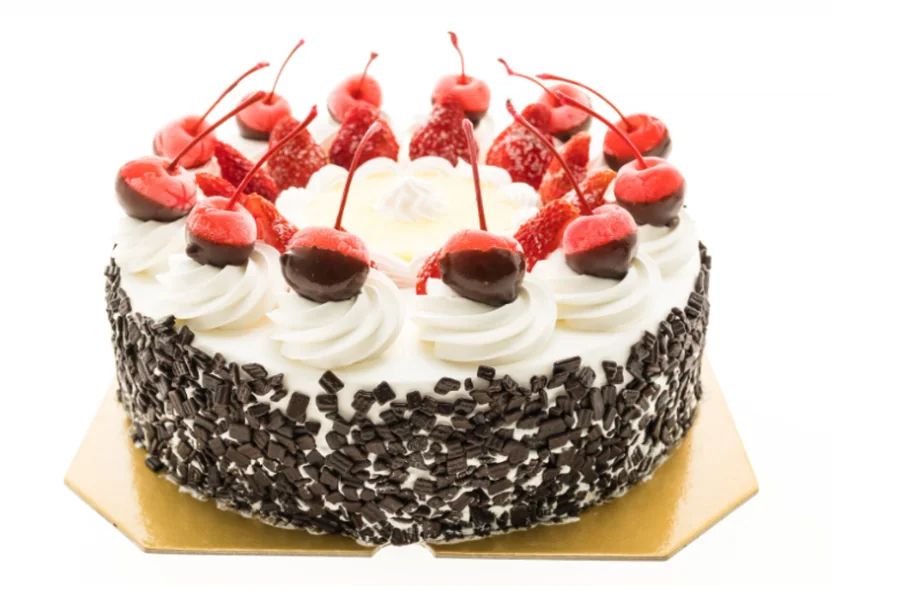
The trend of personalisation has firmly taken hold in the world of cake-making. Custom cakes are now a staple of birthdays, weddings, and other special occasions, designed to reflect the tastes and personalities of the recipients. From simple inscriptions to elaborate three-dimensional designs that narrate a personal story, bespoke cakes allow for unparalleled creative expression.
Crafting a personalised cake often involves weeks of planning and detailed consultations with the baker. Every element, from flavour combinations to decorative motifs, is carefully considered to ensure the final product aligns with the envisioned concept. This process transforms cake-making from a culinary activity into an art form, demonstrating the limitless possibilities of cakes as both edible creations and symbolic gestures of care and thoughtfulness.
The Economic Impact of Cake Baking
Beyond their cultural and aesthetic significance, cakes contribute substantially to the economy. The UK’s baking industry is a thriving sector, generating millions of pounds in revenue each year. Local bakeries often act as community hubs, providing spaces for connection and creativity, while larger cake manufacturers export British cakes around the world, showcasing the nation’s culinary expertise on an international stage.
The demand for skilled cake designers and bakers continues to rise, driven by televised baking competitions and the increasing popularity of professional patisserie courses. As a result, the industry not only sustains employment but also nurtures talent, creativity, and innovation in both traditional and contemporary cake-making.
Learning to Bake: The Appeal of Homemade Cakes
The art of baking has experienced a resurgence, fuelled by a desire to reconnect with homemade traditions and the satisfaction of creating something from scratch. Community workshops and evening baking classes have grown in popularity, catering to enthusiasts seeking to master foundational techniques or refine advanced skills.
Homemade cakes often carry a sense of nostalgia, linking generations through cherished family recipes. From the meticulous process of measuring ingredients to the final decorative touches, baking at home provides a tangible and rewarding experience. Sharing the resulting cake with friends and family amplifies the joy, creating memories that are as sweet as the dessert itself.
Conclusion: The Enduring Appeal of Whole Cakes
Whole cakes, with their harmonious balance of texture and flavour, continue to captivate bakers and cake lovers alike. Whether elegantly displayed at a high tea, used to mark a momentous celebration, or lovingly baked for an intimate family gathering, cakes embody joy, tradition, and creativity. By combining time-honoured recipes with modern innovations and personal touches, bakers ensure that these confections remain relevant and cherished. In the UK and beyond, whole cakes retain their place as more than desserts—they are a celebration of life, artistry, and the simple pleasure of sharing something truly special with others.