Potty training a dog is an essential part of integrating your canine companion into your family and home environment. Starting early with effective methods is key to a happy relationship between you and your pet. Waggie Dog Potty Training Classes offer structured, expert guidance that can make this process smoother and less stressful for both you and your dog.
Understanding Your Dog’s Needs
Dogs have an instinctual desire to keep their den clean, which you can leverage during potty training. Puppies, for instance, need to eliminate more frequently than adult dogs, often following a routine based on eating, sleeping, and playing. Recognising these behaviours allows you to predict when your dog needs to go outside.
Importance of a Routine
Establishing a consistent routine is vital in potty training your dog. Routines help the dog understand when and where it is appropriate to relieve itself. Start by taking your dog outside first thing in the morning, after meals, and before bedtime. Consistency is crucial; take your dog to the same spot each time so they can become familiar with their designated potty area.
The Role of Positive Reinforcement
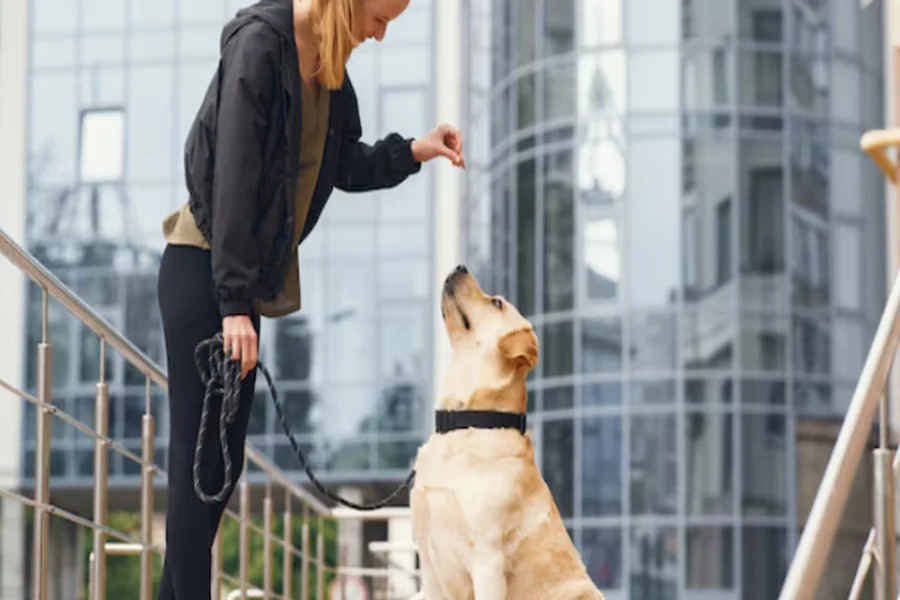
Positive reinforcement is one of the most effective ways to train any dog, including in potty training. When your dog successfully uses the potty area, reward them immediately with praise, play, or a small treat. This helps them associate the act of going to the toilet in the right place with positive outcomes. Avoid scolding or punishment, as this can create anxiety and confusion for the dog.
Key Tools for Potty Training
Certain tools can make potty training more effective and convenient. Leashes can help guide your pet to the designated area, while crate training can aid in teaching bladder control. Crates tap into a dog’s natural instinct to avoid soiling their sleeping area, making them a powerful potty training tool when used correctly.
Puppy Pads and Indoor Solutions
For those living in apartments or without immediate access to outdoor spaces, puppy pads provide an indoor solution for potty training. These chemically treated pads are designed to absorb moisture and control odour while encouraging dogs to relieve themselves on the pad. Remember that while pads are a great temporary solution, the end goal should be to transition your dog to going outdoors.
Dealing with Common Challenges
Potty training is not without its challenges, and accidents are an inevitable part of the learning curve. When accidents happen, clean the area thoroughly to prevent the dog from returning to the spot. Using an enzymatic cleaner can help remove odours that might attract the dog back.
Nighttime and Crate Training
Nighttime challenges often occur because puppies have smaller bladders and lack control. Monitoring water intake before bedtime and ensuring regular potty breaks during the night can mitigate these challenges. Crate training at night time helps your puppy develop bladder control and limits accidents inside the house.
Understanding Signals and Communication
Dogs communicate their need to go out in subtle ways. Recognising these signals, such as whining, circling, or sniffing, can greatly aid in timely potty breaks. Reinforce these signals with gentle prompts and praise to build a mutual understanding over time.
Tailoring Techniques to Individual Dogs
Every dog is unique, requiring a tailored approach to training. Some dogs respond better to verbal praise, while others might need food incentives. Recognising what motivates your dog can significantly enhance training effectiveness. Additionally, consider factors like age, breed, and previous training experiences when devising a plan.
Special Considerations for Older Dogs
Older dogs that are new to potty training or those who have recently moved to a new environment may take longer to adjust. Patience and understanding are crucial in these cases. Reinforcement techniques used for puppies can be adapted to suit adult dogs while understanding potential medical issues that may affect their ability to hold their bladder or bowels.
Ideal Training Environment
The environment plays a significant role in potty training success. A quiet, safe location free of distractions is ideal for helping your dog focus on the task at hand. Ensure your backyard or selected potty space is safe and secure to encourage your dog to feel comfortable and relaxed.
Monitoring Progress and Adjustments
Keep a record of your dog’s progress to identify patterns or issues that might need addressing. Adjust your training strategies as needed, and be open to trying new techniques if your dog seems unreceptive to current methods. Regularly revisiting and reinforcing training can help solidify good habits.
Consulting Professionals When Needed
Professional guidance can be invaluable, especially if you’re encountering persistent issues. Consulting with a behaviourist or enrolling in courses like Waggie Dog Potty Training Classes can provide structured learning, tailored advice, and support for overcoming specific challenges.
Potty training requires patience, consistency, and a deep understanding of your dog’s needs and behaviour. By approaching training with these considerations in mind, you contribute to creating a respectful and trusting relationship with your dog.