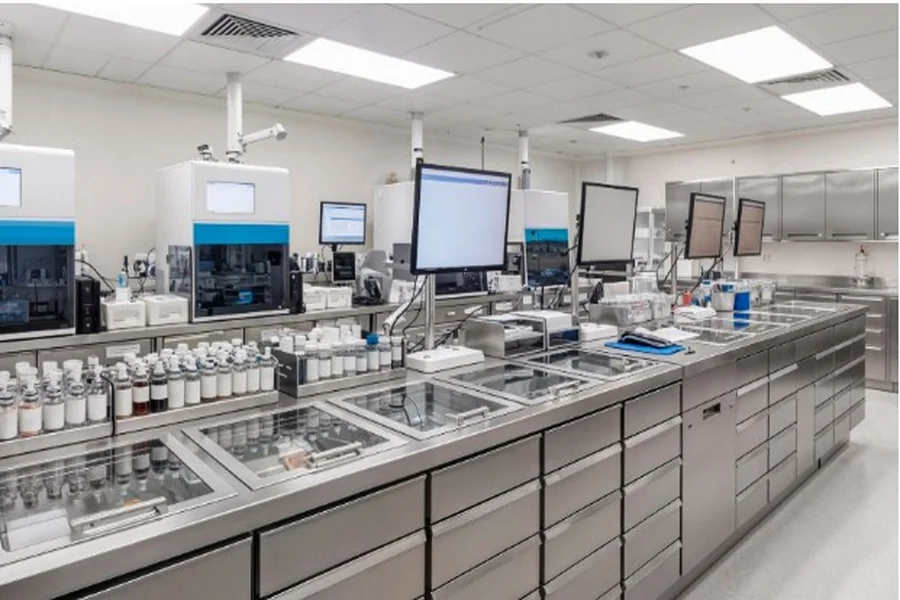
Laboratory Refrigerators
A laboratory refrigerator is one of the most essential pieces of equipment in any scientific or medical lab. It ensures that sensitive materials, samples, and chemicals are stored at the correct temperatures to maintain their stability and effectiveness. Unlike a regular household fridge, a laboratory refrigerator is designed to provide precise temperature control and uniform cooling across the storage space, preventing sample degradation and maintaining research accuracy.
Understanding Laboratory Refrigerator Types
Laboratory refrigerators come in various types, each designed for specific applications. Some models are general-purpose and used for everyday storage of reagents and chemicals. Others are specialised, such as low-temperature units for blood plasma, vaccines, or enzymes. Upright refrigerators provide easy access and visibility, making them suitable for high-use labs, while under-counter or compact models save space in smaller laboratories. Chest or freezer combination units are often used for long-term storage of frozen samples alongside refrigerated items. Choosing the right type depends on the lab’s workflow, space availability, and the specific materials being stored.
Temperature Control and Stability
Temperature control is the most critical factor when selecting a laboratory refrigerator. Lab refrigerators need to maintain a consistent temperature within a narrow range, often between 2°C and 8°C for standard models. Some specialised refrigerators can reach sub-zero temperatures for highly sensitive samples. Even minor fluctuations can compromise sample integrity or chemical stability. Modern lab refrigerators come with digital temperature displays, alarms, and monitoring systems that alert staff if temperatures fall outside the set range. Reliable temperature control is essential for labs handling vaccines, biological samples, or chemical reagents.
Capacity and Storage Options
The storage capacity of a laboratory refrigerator is another important consideration. Labs dealing with large volumes of samples or reagents require spacious units with adjustable shelves or compartments to organize materials efficiently. Smaller labs or those handling limited samples can opt for compact refrigerators that fit under counters or in tight spaces. Some units offer specialised drawers, bins, or racks to separate different types of materials and reduce the risk of contamination. Efficient storage design helps staff access items quickly, improving workflow and safety in the lab.
Energy Efficiency and Environmental Considerations
Laboratory refrigerators run continuously, so energy efficiency is an important factor. Modern refrigerators use energy-saving compressors and insulation to reduce electricity consumption while maintaining stable temperatures. Choosing an energy-efficient unit lowers operating costs and supports sustainability goals. Additionally, labs should consider the environmental impact of refrigerants used in these units. Many newer models use eco-friendly refrigerants with low ozone depletion potential, reducing the lab’s environmental footprint.
Safety Features for Laboratory Use
Safety is a priority in any lab environment, and laboratory refrigerators are designed with multiple safety features. Alarms alert staff to door openings, power failures, or temperature deviations. Lockable doors prevent unauthorized access to sensitive samples. Some units include backup power options to maintain temperature during short power outages. These features protect valuable samples, reduce waste, and ensure compliance with laboratory regulations and standards.
Maintenance and Longevity
Proper maintenance is key to keeping a laboratory refrigerator functioning efficiently. Regular cleaning, inspection of seals, and monitoring of temperature performance are essential to avoid contamination or mechanical failure. Many units come with self-diagnosis systems to alert staff about potential issues before they affect samples. Replacing worn components, such as gaskets or filters, extends the life of the refrigerator and maintains performance over time. Well-maintained refrigerators are not only reliable but also more cost-effective in the long run.

Choosing the Right Brand and Supplier
Selecting a reputable brand and supplier is important when investing in a laboratory refrigerator. Established brands offer proven performance, warranty support, and service options. Suppliers often provide guidance on model selection, installation, and maintenance to match the lab’s specific requirements. Reliable customer service and after-sales support ensure that issues can be addressed quickly, minimising downtime and maintaining smooth lab operations.
Integration with Laboratory Systems
Many modern laboratory refrigerators are designed to integrate with lab management systems. Digital monitoring and remote access allow staff to track temperature trends, receive alerts, and maintain accurate records. This integration helps labs comply with regulations, manage inventory, and improve overall efficiency. Units that can connect to building management systems or centralised monitoring platforms are especially useful in larger labs or research facilities with multiple refrigerators.
Application-Specific Considerations
Different types of labs have different requirements for refrigerators. Clinical laboratories may need units that meet strict regulatory standards for storing blood, vaccines, or other biological materials. Research laboratories often require precise temperature uniformity for chemical reagents, cell cultures, or tissue samples. Pharmaceutical labs may need compliance with Good Manufacturing Practices (GMP) or International Organisation for Standardisation (ISO) standards. Understanding the specific application helps in choosing the right unit with the features required for safe and effective storage.
Space and Installation Requirements
Laboratory refrigerators come in a variety of sizes and designs, and proper installation is necessary for optimal performance. Upright models need adequate clearance around the unit for airflow, while under-counter or built-in models must fit the designated space without blocking ventilation. Placement near heat sources, direct sunlight, or high-traffic areas should be avoided to maintain consistent cooling. Proper installation and spacing extend the life of the refrigerator and reduce energy consumption.
Cost and Budget Considerations
Laboratory refrigerators vary in price depending on type, capacity, features, and brand. While cost is a factor, it should be balanced with reliability, performance, and safety features. Investing in a higher-quality unit can prevent sample loss, reduce maintenance issues, and improve lab efficiency. Some labs may also consider leasing or renting units for short-term projects or temporary expansions. Budget planning should take into account both initial purchase and long-term operating costs.
Trends in Laboratory Refrigeration Technology
Laboratory refrigeration technology continues to advance, with newer models offering improved temperature stability, energy efficiency, and monitoring capabilities. Some refrigerators feature touch-screen interfaces, remote alerts via mobile devices, and enhanced insulation for faster cooling. Smart refrigerators also provide data logging and analytics, helping labs monitor trends and identify potential issues proactively. Staying informed about these trends allows labs to choose units that improve efficiency, safety, and sample protection.
Conclusion: Choosing the Right Laboratory Refrigerator
Selecting the right laboratory refrigerator is essential for protecting valuable samples, maintaining research accuracy, and ensuring compliance with safety standards. Factors such as temperature stability, storage capacity, energy efficiency, safety features, maintenance, and integration with lab systems all play a role in choosing the best unit. By understanding the specific needs of the lab and investing in a high-quality, reliable refrigerator, lab staff can ensure the safe storage of sensitive materials and support the success of research and testing activities. A well-chosen laboratory refrigerator is not just a piece of equipment; it is a key component in maintaining the integrity and reliability of laboratory operations.