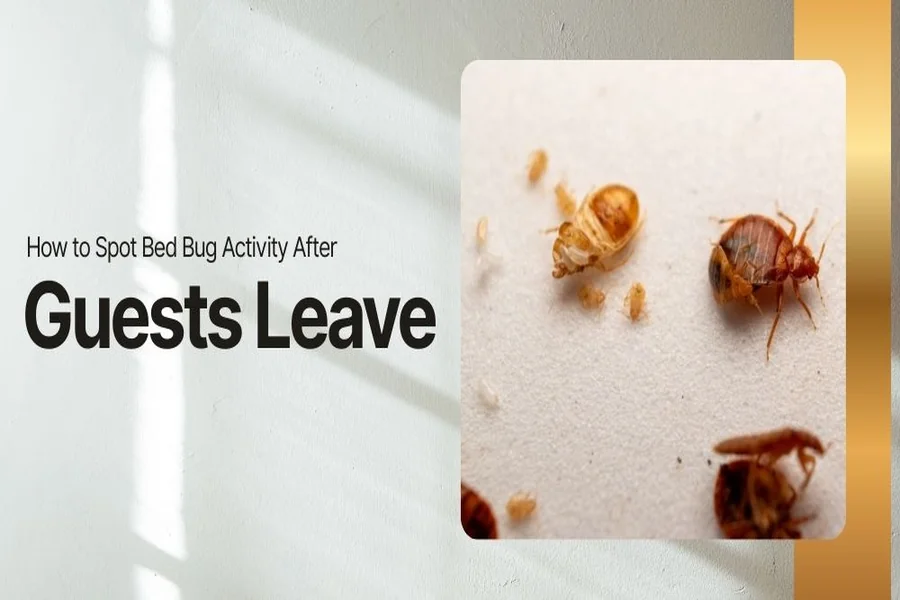
When the last guest leaves, do you ever pause and think about what could be hiding in the sheets or luggage corners? Holidays and gatherings make it easy for tiny hitchhikers to move from room to room. By checking for bed bug early signs, you reduce the chance of a surprise infestation later. It only takes a few minutes, and it can save you from a bigger headache. Read on to feel confident that your home is truly back to normal.
How Travel & Visitors Cause New Infestations
Travel and guest activity can bring bed bugs into a home without anyone noticing. Recognizing how they spread helps homeowners prevent new infestations. The following explains the most common ways they enter through travel and visitors:
A. Hitchhiking on Luggage
Bed bugs often attach themselves to suitcases during hotel stays, hiding in seams or pockets. They can also cling to bags used on buses, trains, or rideshares. Since luggage comes into contact with shared surfaces, skipping a bag inspection before entering the home increases the risk of bringing bed bugs after visitors or travel.
B. Clothing Transfer
Bed bugs can move through clothing that has come into contact with infested environments. Guests may unknowingly bring pests on coats, bags, and personal items. Shared laundry areas can also contribute to the spread if clothing picks up pests left behind by others.
Where to Inspect Post-Holiday
Travelers and guests increase the chance of bringing pests home, especially when they disrupt regular routines. Inspecting key areas right away helps you catch post-holiday bed bugs before they spread. Review the following areas:
A. Beds and Sofas
- Mattress seams and edges: Look for dark spots, shed skins, or live bugs along stitching and corners.
- Upholstered furniture: Examine sofa cushions, seams, and the space beneath seat pads.
- Headboards and frames: Check cracks, screw holes, and joints where bed bugs often hide.
- Blankets and pillows: Shake them out and inspect the fabric for any early signs of wear.
B. Luggage Zones
- Suitcases and carry-ons: Look inside pockets, zippers, seams, and wheel housings.
- Entry areas: Inspect the floors and walls near the location where you initially placed your luggage.
- Laundry piles: Bed bugs may hide in clothes unpacked quickly or left in a pile.
- Closets or storage spaces: Check shelves and corners for activity if you stored luggage quickly.
Early Warning Signs to Look For
Meanwhile, spotting issues early helps prevent infestations from spreading and becoming more challenging to manage. Recognizing bed bug early signs allows homeowners to respond quickly and limit further activity. Take note of the following signs:
A. Bites or Stains
- Small bite marks: Red, itchy spots appearing in clusters or lines may indicate bed bug activity.
- Dark stains on fabric: Black or brown marks on sheets or mattresses often come from bed bug droppings.
- Blood spots: Crushing bugs during sleep may leave tiny smears or dots on the skin.
B. Shed Skins
- Light-colored shells: As bed bugs mature, they shed their outer skins, leaving behind small, translucent casings.
- Clusters near seams: Shed skins often collect along mattress edges, baseboards, and furniture joints.
- Repeated buildup: Multiple shells in the same areas usually indicate an active infestation.
When to Call for a Professional Inspection
A professional inspection helps identify hidden issues that simple cleaning may not resolve. Acting at the right time prevents the problem from spreading. The following highlights when homeowners should schedule an expert evaluation:
A. Persistent Signs With No Clear Source
- Recurring marks or bites: If new bites or stains continue to appear, an inspector can determine the source of the activity.
- Unexplained spotting: Dark spots or shed skins in multiple areas often indicate hidden activity that routine cleaning does not reach.
- Ongoing concerns: When you cannot locate the source, a trained inspector can identify the exact areas needing treatment.
B. Expanding Activity Despite Cleaning
- Growing affected areas: If activity spreads from one room to another, a deeper inspection is necessary.
- Repeated sightings: Seeing pests after thorough cleaning suggests they are hiding in protected spaces.
- Short-lived improvements: When the problem returns quickly, an inspection can reveal what continues to fuel the activity.
Preventing Reinfestation in 2025
Consistent routines in 2025 help limit hiding places and reduce the likelihood of pests returning. The following outline provides practical steps homeowners can use throughout the year:
A. Routine Checks
- Inspect sleeping areas regularly: Check mattress seams, bed frames, and nearby furniture for dark spots, shed skins, or live bugs.
- Review high-traffic zones: Examine couches, entry points, and baseboards where pests often travel or hide.
- Monitor after travel: Check luggage and clothing upon return from trips to prevent hitchhiking pests from entering the home.
B. Protective Covers and Clutter Control
- Use mattress and box spring encasements: These covers block access to seams and prevent pests from settling inside.
- Limit clutter in living spaces: Reducing piles of clothing, storage boxes, and unused items removes common hiding spots.
- Create space around furniture: Keeping beds and seating away from walls improves visibility and reduces hiding areas.
Act Fast After Guests!
Once your guests head home, your quick follow-up check can protect you from post-holiday bed bugs that may have slipped in unnoticed. By knowing what to look for and acting promptly, you prevent minor signs from becoming major headaches. It doesn’t require special tools—just awareness and consistency.
However, when you’re unsure, recognizing bed bug early signs helps you decide if you need expert help right away. With this simple routine, you can move forward confidently without worrying about bed bugs after visitors.