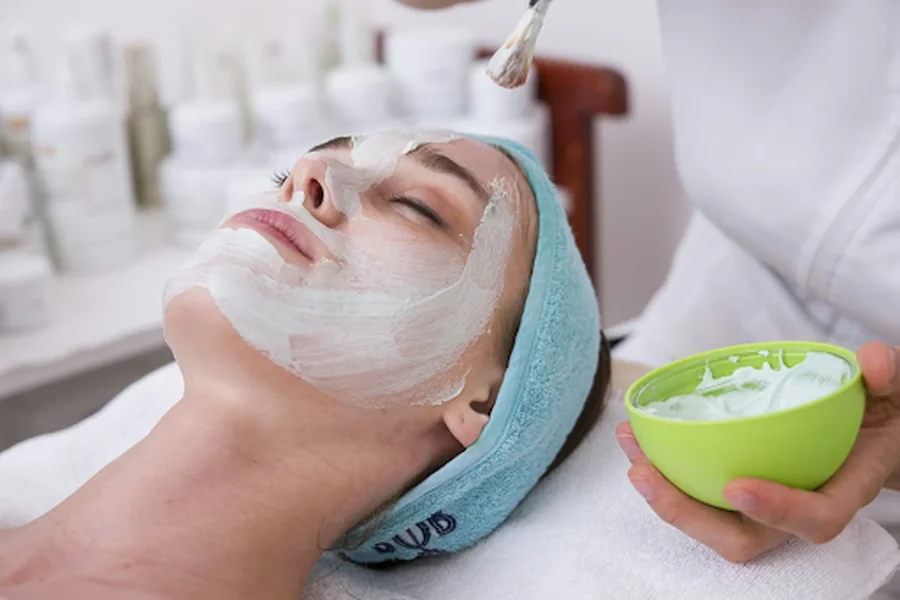
Hydrafacial deep cleansing is a professional skincare procedure designed to improve overall skin condition through a structured, multi-step process. It combines cleansing, exfoliation, extraction and hydration within a single session. Many individuals choose hydrafacial deep cleansing to maintain clearer skin while supporting hydration and overall skin health. The treatment is commonly offered in aesthetic clinics and is suitable for a wide range of skin types. Its methodical approach and use of device-assisted technology distinguish it from traditional manual facials.
How the Treatment Works
The hydrafacial procedure follows a clearly defined sequence, with each stage targeting a specific aspect of skin health.
Cleansing
The session begins with surface cleansing. A solution selected according to the individual’s skin type is applied to remove oil, dirt and environmental impurities. This prepares the skin for deeper treatment and ensures better absorption of active ingredients used later in the process.
Exfoliation
After cleansing, gentle exfoliation removes dead skin cells from the outer layer. This step encourages smoother texture and reveals fresher skin beneath. Unlike harsher resurfacing methods, hydrafacial exfoliation is controlled and designed to minimise irritation.
Extraction
A suction-based device is used to clear blocked pores. This controlled extraction process removes blackheads, excess sebum and debris without the need for manual squeezing. The technique aims to reduce discomfort while effectively addressing congestion.
Hydration and Serum Infusion
The final stage involves the delivery of targeted serums into the skin. These formulations typically contain hydrating and soothing ingredients selected to address specific concerns. The infusion supports skin barrier function and provides an immediate improvement in hydration levels.
The system uses Vortex-Fusion technology, which combines vacuum suction with simultaneous serum delivery. Spiral tip attachments maintain consistent contact with the skin, allowing impurities to be removed while active ingredients are evenly distributed.
Benefits of Hydrafacial Deep Cleansing
Hydrafacial treatments are non-invasive and usually require no recovery time. Individuals can resume normal activities immediately after the procedure. Many notice smoother texture and improved radiance following a single session.
Common advantages include:
- Suitable for most skin types
- Reduced the likelihood of irritation compared with manual extractions
- Immediate improvement in hydration and clarity
- Customisable treatment plans
Because the procedure can be adjusted through different serum options and intensity levels, it is often selected to address individual skin concerns. The combination of cleansing and hydration within one appointment makes it a practical option for those seeking maintenance as well as targeted care.
Comparison With Traditional Facials
Traditional facials typically focus on cleansing, steaming and manual extraction. While these methods can be effective, they may cause temporary redness or discomfort, particularly for sensitive skin.
Hydrafacial treatment differs in several ways. The suction-based extraction process is designed to be more controlled and less abrasive. In addition, hydration is delivered during the extraction stage rather than applied afterwards. This simultaneous approach supports skin balance and may reduce post-treatment dryness.
Another distinction lies in consistency. Device-assisted delivery allows practitioners to maintain uniform pressure and serum application, which can lead to more predictable results compared with manual techniques alone.
Addressing Common Skin Concerns
Hydrafacial deep cleansing is frequently used to support improvement in a variety of skin issues.
Fine Lines and Early Signs of Ageing
Hydration plays a key role in minimising the appearance of fine lines. By restoring moisture levels and encouraging gentle exfoliation, the skin may appear smoother and more even.
Enlarged Pores and Congestion
Clearing debris from pores can make them appear less noticeable. Regular treatments may help maintain cleaner pores and reduce recurring build-up.
Acne-prone Skin
By removing excess oil and impurities, the procedure supports clearer skin. Anti-inflammatory serums may help calm irritation, although persistent acne should be assessed by a qualified professional.
Hyperpigmentation and Uneven Tone
Gentle exfoliation combined with targeted serums may contribute to gradual improvement in skin tone. Results depend on consistency and the underlying cause of pigmentation.
It is important to note that outcomes vary between individuals. While hydrafacial treatments can improve overall appearance, they are not a substitute for medical treatment where required.
Technology Behind the Procedure
Vortex-Fusion technology is central to the Hydrafacial system. It operates by generating controlled suction to lift impurities from the skin while simultaneously delivering treatment solutions. The spiral tip design creates a fluid vortex effect, enhancing contact between the solution and the skin’s surface.
This method aims to increase efficiency while limiting discomfort. Because the treatment does not rely on aggressive resurfacing or strong chemical peels, it is generally associated with minimal redness. The combination of extraction and hydration supports skin function without significantly disrupting the outer barrier.
Limitations and Considerations
Although hydrafacial treatments are suitable for many individuals, certain conditions require caution. Those with active rashes, severe rosacea, open wounds or skin infections should consult a qualified practitioner before undergoing the procedure. A professional assessment ensures the treatment is appropriate and adapted to specific needs.
Frequency also plays an important role in maintaining results. Sessions are commonly recommended every four to six weeks, depending on skin condition and treatment goals. Over-treatment should be avoided, as the skin requires time to maintain its natural balance.
Managing expectations is equally important. While the procedure can enhance hydration and clarity, it does not permanently resolve chronic concerns such as deep scarring or advanced pigmentation.
Incorporating Hydrafacials Into a Skincare Routine
Hydrafacial deep cleansing is most effective when integrated into a consistent skincare routine. Daily cleansing, moisturising and sun protection remain essential for long-term results. The treatment should complement, rather than replace, home care practices.
Balanced nutrition, adequate hydration and appropriate product selection also contribute to skin health. Professional guidance can help determine suitable products that align with post-treatment needs.
When combined with routine maintenance and professional advice, hydrafacial treatments can support clearer, smoother and healthier-looking skin over time.
Conclusion
Hydrafacial deep cleansing offers a structured and technology-assisted approach to facial care. By combining cleansing, exfoliation, extraction and hydration within one procedure, it addresses multiple aspects of skin health in a controlled manner. Its non-invasive nature and adaptability make it a widely selected option in aesthetic practice. With proper assessment and ongoing care, it can form part of a comprehensive skincare strategy focused on maintaining balanced and well-conditioned skin.