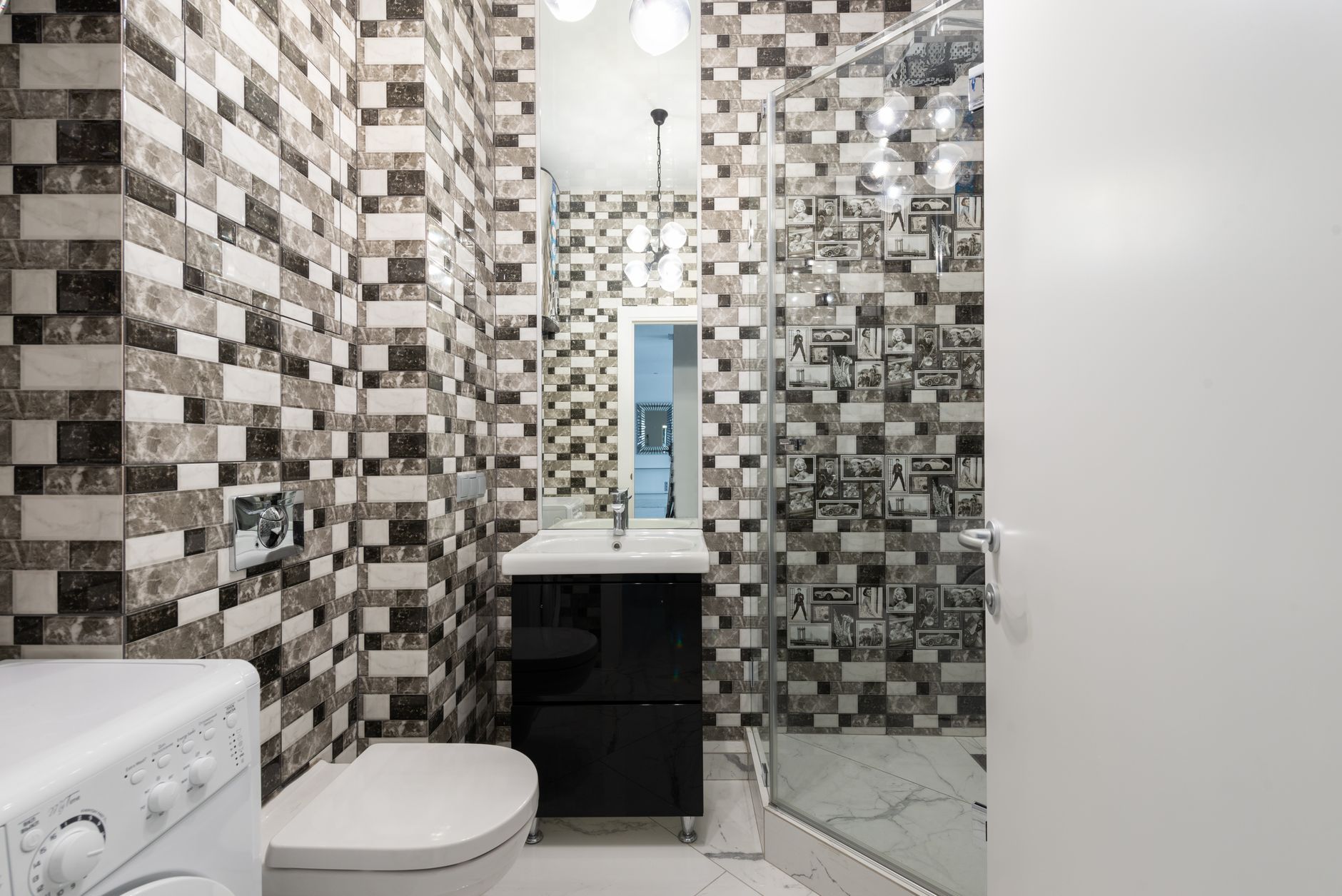
When evaluating a property, most buyers focus on the kitchen, living room, and overall layout. However, bathrooms are one of the most influential spaces when it comes to determining both perceived and actual home value. A well-designed, functional bathroom can significantly increase a home’s market appeal, while an outdated or poorly planned one can reduce buyer interest and lower offers. In today’s real estate market, bathroom design is no longer just about utility—it is a key investment factor that directly impacts resale value.
First Impressions and Buyer Psychology
Bathrooms play a major role in shaping a buyer’s first impression of a home. While they may be smaller compared to other rooms, they carry disproportionate emotional weight. A clean, modern, and thoughtfully designed bathroom signals that the home has been well-maintained overall. On the other hand, outdated tiles, poor lighting, or visible wear can create doubt in the buyer’s mind about hidden maintenance issues elsewhere in the property.
Buyers often associate bathrooms with comfort and personal care. If a bathroom feels like a spa-like retreat, it enhances the perceived lifestyle of the home. This emotional response can translate into higher willingness to pay, even if the rest of the home is comparable to others on the market.
Functionality as a Core Value Driver
Beyond aesthetics, functionality is one of the most important aspects of bathroom design. A visually appealing bathroom that lacks practical features may still fail to impress buyers. Key functional elements include layout efficiency, storage solutions, ventilation, and plumbing reliability.
A poorly designed layout—such as a toilet positioned awkwardly or limited movement space—can make a bathroom feel cramped and uncomfortable. In contrast, a well-planned layout improves usability and comfort, making daily routines easier. Storage is another essential factor; modern buyers expect adequate space for toiletries, towels, and cleaning supplies. Built-in cabinets, floating vanities, and recessed shelving are highly desirable features that enhance both usability and visual appeal.
Ventilation is often overlooked but has a significant impact on long-term value. Proper airflow prevents mold, mildew, and moisture damage, all of which can lead to expensive repairs. A bathroom with poor ventilation can be a red flag for buyers, reducing confidence in the home’s maintenance quality.
Modern Design Trends and Market Expectations
Bathroom design trends evolve over time, and homes that reflect current styles tend to sell faster and at higher prices. Today’s buyers often look for clean lines, neutral color palettes, and minimalist aesthetics. Features such as walk-in showers with glass enclosures, freestanding bathtubs, and wall-mounted fixtures are increasingly popular. Innovative bidet attachments are also becoming a desirable, hygienic upgrade that reflects modern comfort expectations.
Energy efficiency and water-saving fixtures are also becoming standard expectations. Low-flow toilets, efficient faucets, and LED lighting not only reduce utility costs but also appeal to environmentally conscious buyers. Homes that incorporate these features often stand out in competitive markets.
Technology is also making its way into bathroom design. Smart mirrors with built-in lighting, heated floors, and digital shower controls are no longer considered luxury-only features in high-end properties. Even mid-range homes that include a few modern upgrades can see a noticeable boost in perceived value.
Renovation Return on Investment
Bathroom renovations are widely recognized as one of the most cost-effective home improvement projects in terms of return on investment (ROI). While the exact return varies depending on location, quality of work, and market conditions, many homeowners recover a significant portion of renovation costs when selling their home.
Minor upgrades such as replacing fixtures, repainting walls, or updating lighting can yield surprisingly high returns at relatively low cost. More extensive renovations—such as replacing tiles, upgrading plumbing, or reconfiguring layouts—can also substantially increase property value, especially in older homes.
However, over-improving a bathroom beyond the standard of the neighborhood can sometimes lead to diminishing returns. For example, installing ultra-luxury features in a modest home may not significantly increase resale value, as buyers tend to compare properties within the same price range.
The Importance of Cleanliness and Maintenance
Even the best-designed bathroom loses value if it is not properly maintained. Cleanliness plays a crucial role in how buyers perceive the space. Stains, mold, chipped tiles, or leaking faucets can all signal neglect, which reduces trust in the overall condition of the home.
Regular maintenance ensures that plumbing systems remain functional and that surfaces stay in good condition. Well-maintained bathrooms not only improve day-to-day living but also protect long-term property value by preventing costly structural damage.
Space Optimization in Modern Homes
As housing trends shift toward more compact living, efficient use of bathroom space has become increasingly important. Even small bathrooms can add significant value to a home if they are designed intelligently. Features such as corner sinks, sliding doors, and vertical storage solutions help maximize limited space without sacrificing comfort.
In larger homes, the presence of multiple bathrooms—especially en-suite bathrooms attached to bedrooms—greatly increases market appeal. Buyers often prioritize convenience and privacy, making additional bathrooms a strong selling point.
The Role of Lighting and Ambience
Lighting is a critical but often underestimated aspect of bathroom design. A well-lit bathroom feels larger, cleaner, and more inviting. Natural light is particularly valuable, as it enhances mood and reduces the need for artificial lighting during the day.
Layered lighting—combining ambient, task, and accent lighting—creates a balanced and functional environment. Poor lighting, on the other hand, can make even a modern bathroom feel dull and uninviting, negatively impacting buyer perception.
Bathroom design and functionality are essential components of home value that should not be overlooked. While kitchens often receive the most attention during renovations and marketing, bathrooms carry significant weight in buyer decision-making. A well-designed bathroom enhances comfort, improves functionality, and creates a sense of luxury that resonates strongly with potential buyers.
From layout and storage to lighting and modern fixtures, every detail contributes to the overall impression of quality and care. Investing in bathroom improvements is not just about aesthetics—it is a strategic decision that can yield strong financial returns and increase the competitiveness of a property in the real estate market.
In the end, a thoughtfully designed bathroom does more than serve a practical purpose; it elevates the entire home experience and plays a key role in maximizing property value.